


In recent years, the gaming industry has witnessed a transformative wave driven by advancements in Artificial Intelligence (AI). A significant player in this revolution is the English game website known as 'jl7', which has been at the forefront of integrating AI-driven technologies into gaming frameworks. As the year 2025 unfolds, it is evident that AI is not just a futuristic concept but a defining factor that continues to reshape how games are developed and experienced.
AI technology has enabled game developers to create more sophisticated and immersive environments that adapt to the player's interactions in real-time. Games that once followed a linear progression now boast of dynamic storyline changes based on player decisions, thus offering a deeply personalized experience. This shift from static gameplay to a more fluid and interactive form of entertainment highlights the potential of AI in creating next-generation gaming experiences.
Moreover, AI has been instrumental in enhancing virtual reality (VR) gaming, providing a more seamless and realistic immersion. VR platforms, enhanced with AI capabilities, can now respond to natural language processing and gesture recognition, making the player's interaction more intuitive and engaging. 'Jl7' and many other gaming platforms are increasingly focusing on integrating such technologies to meet the growing demand for immersive experiences.
The use of AI extends beyond just gameplay and into aspects such as game development and testing. AI algorithms can simulate countless scenarios, swiftly identifying potential bugs or glitches. This enables developers to focus more on creativity and innovation, knowing that AI-driven tools efficiently handle quality assurance.
However, the rise of AI in gaming is not without its challenges. Concerns about the ethical implications of AI, data privacy, and the potential for excessive dependence on automation continue to be critical topics of discussion. The gaming community and developers are keen on addressing these issues, finding a balance that promotes innovation while safeguarding user interests.
In conclusion, AI technology's integration into the gaming industry marks a new era of gaming experiences. Websites like 'jl7' are leading the charge in adopting these innovations, setting standards for the future of gaming. As AI continues to evolve, it remains to be seen how these technologies will further revolutionize the industry and what new possibilities will emerge for gamers worldwide.

Exploring the impact and innovations of JL7 in the gaming world of 2025.

Exploring the latest trends and innovations in the gaming industry in 2025, focusing on technology, platforms, and the rise of interactive entertainment.

Exploring the innovations and dynamics of English game websites as they adapt to the digital future.

Exploring the impact and growth of the JL7 gaming platform in the contemporary digital landscape.
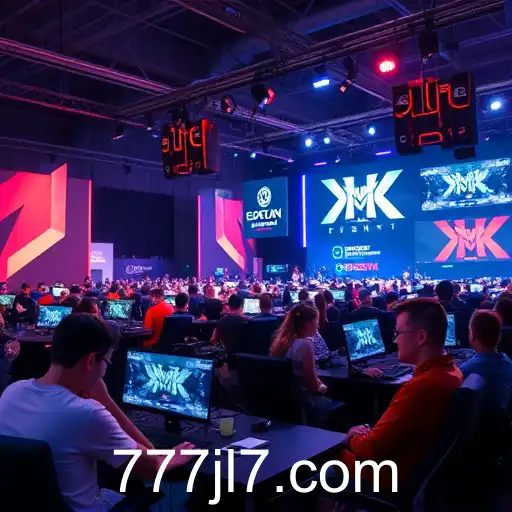
Exploring how gaming platforms like JL7 evolve with technology and cultural integration.

The gaming industry sees a transformative year in 2025, driven by the innovations and expansions of JL7, a leading game website shaping modern gaming experiences.
